The India EU Trade Deal 2026 could redefine global trade alignment for India and the European Union – and the India-EU FTA impact on India is expected to be transformational across goods, services, technology, and climate-linked industries.
On January 26th, India celebrated its 77th Republic Day. On the same strategic timeline, India reset the architecture of its global economic engagement.
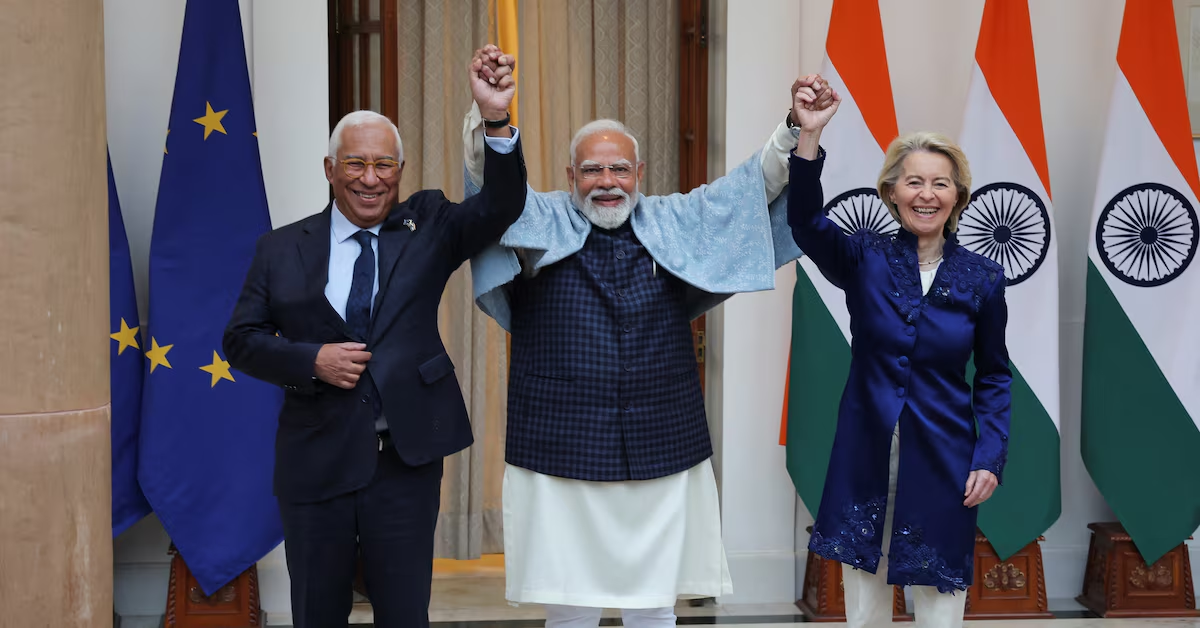
At the 16th India-EU Summit, Prime Minister Narendra Modi and European Commission President Ursula von der Leyen announced the conclusion of the India-European Union Free Trade Agreement (FTA) – a deal described as the “Mother of All Deals.”
With EU leaders serving as Republic Day Chief Guests, the signal was unmistakable:
This was not just a trade agreement – it was a strategic economic alignment between two of the world’s largest democratic economic blocs.
This is strictly a personal opinion.
India EU Trade Deal 2026: What It Means for India & Why this deal matters beyond tariffs
Most FTAs focus on duties.
This one focuses on removing friction across systems.
The India-EU trade agreement benefits include structural integration rather than incremental tariff cuts.
The India–EU FTA:
Harmonises rules across 27 EU markets
Reduces regulatory uncertainty for Indian exporters
Creates predictable access for goods, services, talent, and technology
Aligns trade with climate, digital, and security cooperation
In effect, Indian exporters are no longer navigating 27 fragmented European markets – they are entering one integrated regulatory economic zone.
The scale: why this is a once-in-a-generation agreement
Understanding the India-EU FTA impact on India requires looking at scale:
India + EU together represent ~25% of global GDP
Combined market size: ~2 billion consumers
India–EU trade already exceeds USD 200+ billion
Trade volumes expected to double in the next decade
This is not incremental liberalisation.
This is structural economic integration.
India EU Trade Deal Sectors Impact: What Actually Changes on the Ground
Goods
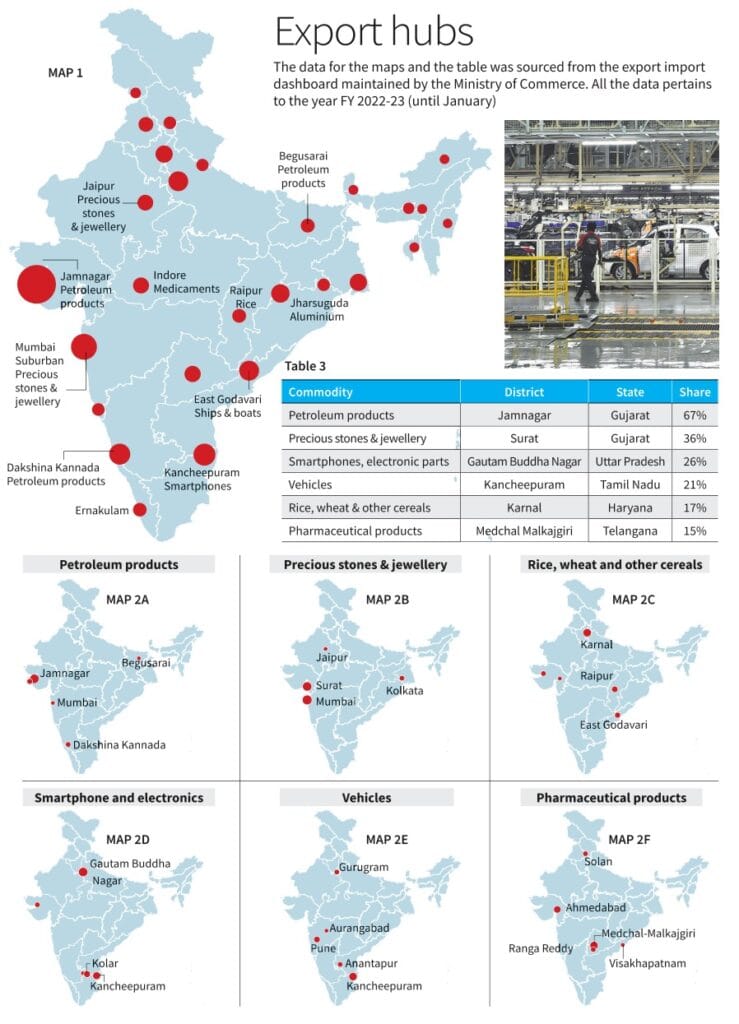
Over 99% of Indian exports gain preferential or zero-duty access to the EU.
High-impact sectors include:
Textiles & Apparel
Pharmaceuticals
Engineering Goods
Chemicals
Processed Food
EU access to India (calibrated, not unconditional):
- Industrial machinery and inputs become cheaper
- Automobiles and wines open gradually via quotas and phased duty cuts
- Sensitive agriculture sectors remain protected.
The long-term success of the India EU Trade Deal 2026 will depend on regulatory alignment.
The silent breakthrough: non-tariff barrier removal
For decades, the biggest obstacle for Indian exporters was not duty – it was compliance complexity.
The FTA addresses:
- Divergent technical standards
- Lengthy conformity assessments
- Repetitive certifications
- Opaque customs procedures
By aligning regulations and creating technical dialogue mechanisms, the agreement levels the playing field for Indian MSMEs, not just large corporates.
This is what policymakers refer to as removing barriers across 27 EU markets.
India EU FTA Services Impact: India’s Quiet Strategic Advantage
The India-EU FTA services impact may be even larger than goods.
Key structural gains:
- Expanded access across 100+ EU service sub-sectors
- Predictable movement for professionals, business visitors, and intra-company transferees
- Post-study work opportunities for students
- Social security coordination discussions
- Recognition pathways for Indian qualifications, including traditional medicine practitioners
India is no longer just exporting products – it is exporting capability and talent.
Climate & CBAM: From Trade Risk to Competitive Advantage
Europe’s carbon border rules initially posed risks for Indian steel and aluminium exporters.
The FTA reframes this challenge into managed cooperation:
- Structured carbon dialogue
- Recognition of carbon audits
- Support for green technology transition
- Collaboration on green hydrogen and renewable manufacturing
Sustainability shifts from being a trade barrier to a competitive differentiator.
Strategic Conclusion
The India-EU FTA is not just about trade flows.
It is about global supply chain positioning, technology access, and long-term strategic alignment. Overall, the India EU Trade Deal 2026 marks a major shift in India’s global trade strategy.
The long-term India-EU trade agreement benefits will likely show up in:
Manufacturing value chain upgrades
Services export expansion
Talent mobility
Green industrial transition
Regulatory predictability
If you found this analysis useful, the accompanying carousel and detailed PDF break this down visually and strategically.
For deeper discussions on geopolitics, trade, and India’s global positioning – follow or DM me on LinkedIn @thinkwithMehak and Instagram @thinkwithMehak