In my previous blog, “Know Your Financial Discipline Score”, I introduced a comprehensive scoring system to help you understand where you stand in managing your personal finances. If you haven’t read it yet, I highly recommend checking it out Know Your Financial Discipline Score because this current blog is a natural progression from those insights. This blog will help you take actionable next steps based on your financial discipline score and guide you on the path to better money management, tailored specifically to your category.
Understanding your financial discipline score is one thing, but the real value comes from using this knowledge to improve your financial habits and achieve your goals. Let’s break down what you should do depending on which score category you fall into, with real-time examples to make this relatable.
Table of Contents
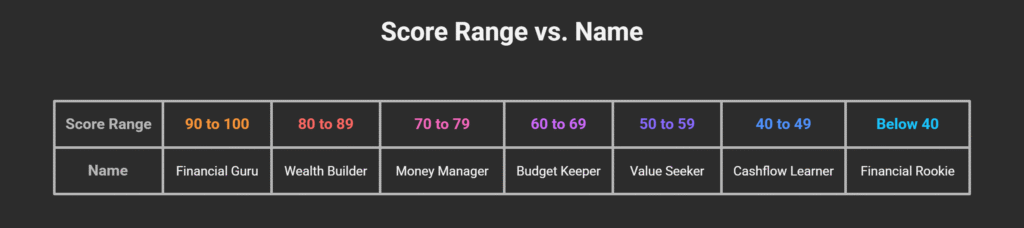
For the Financial Gurus (Score 90 to 100)
Congratulations! You are among the elite few who have mastered the art of financial discipline.
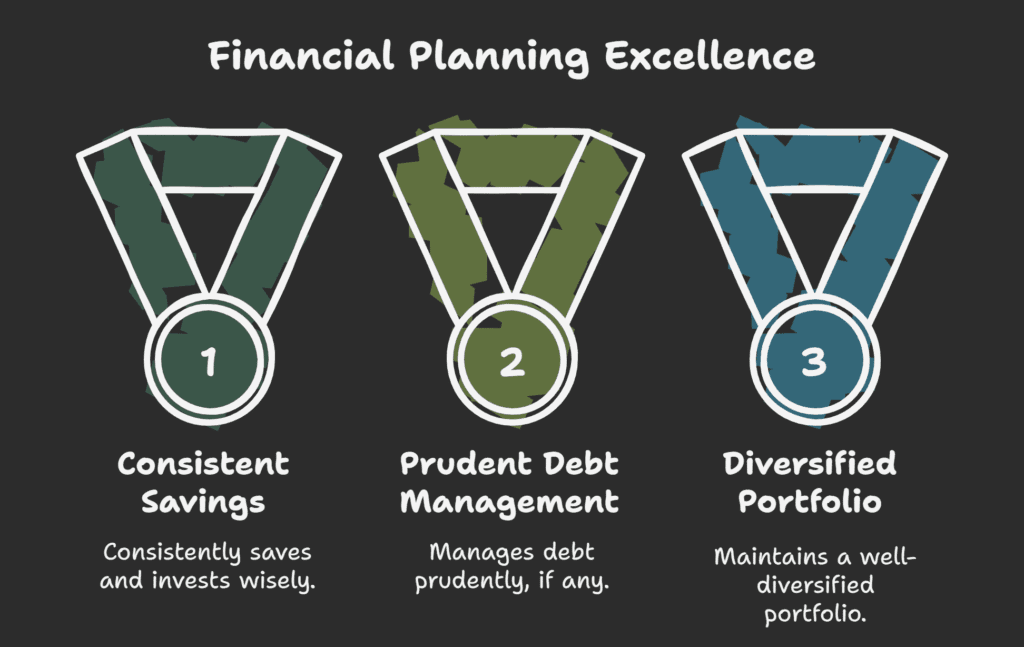
You likely save consistently, invest wisely, keep a close watch over your expenses, and have a well-diversified portfolio. Your emergency funds and insurance are solid, and you manage debt prudently, if any. Your financial planning skills set a benchmark for others.
What now?
Maintain your current habits: These practices have served you well. Consistency is key. Avoid complacency by continuing to save, invest, and track diligently.
Refine and expand: Even experts can find subtle areas for improvement. For instance, explore avenues like alternative investments – real estate, gold, or start-ups – while balancing risk.
Share your expertise: In India, financial literacy is still a work in progress for many. You have the power to uplift others by sharing knowledge with family, friends, or through community workshops. Not only will this benefit them, but teaching also reinforces your own understanding.
Example:
Rajesh, a senior IT professional from Hyderabad, scores consistently above 90. Alongside his disciplined investments in mutual funds and stocks, he has started mentoring his extended family on SIPs and insurance, helping them avoid common pitfalls.
For the Wealth Builders (Score 80 to 89)
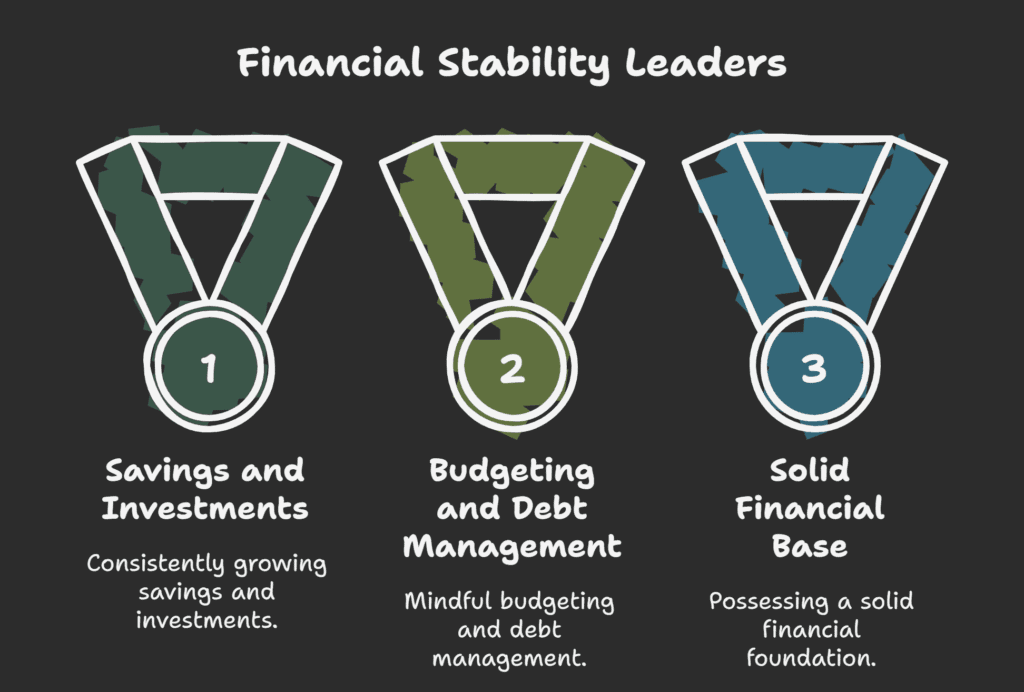
You have a strong financial foundation. Your savings and investments are growing steadily, and you’re conscious of budgeting and debt management.
Next steps:
Keep building momentum: Stick to your plans and continue tracking your progress closely.
Explore new financial goals: Think of long-term milestones – children’s education, a home purchase, or early retirement – and begin building towards them.
Fine-tune risk management and diversification: Assess if your emergency fund is sufficient and whether your portfolio clearly aligns with your risk appetite.
Example:
Neha, a marketing manager in Mumbai, has consistently saved around 18% of her income. Recently, she enhanced her term insurance coverage and is planning to allocate some funds towards a new real estate investment, diversifying her portfolio further.
For the Money Managers (Score 70 to 79) and Budget Keepers (60 to 69)
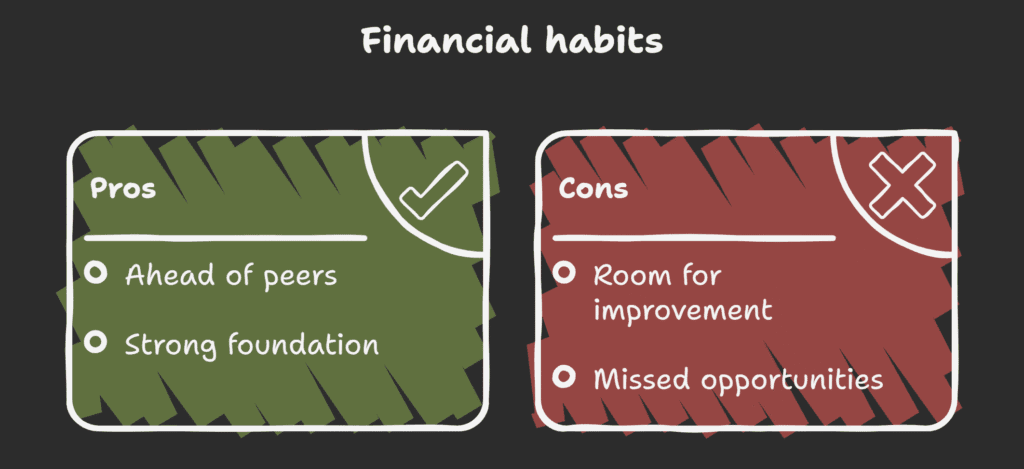
You are ahead of many people but still have room to grow stronger in your financial habits.
What to focus on:
Clarify your financial goals: Define clear, measurable goals for short, medium, and long-term horizons.
Identify and fix leaks: Analyze your expenses and cut back where money is leaking unnecessarily, such as untracked subscriptions or impulsive shopping.
Track regularly: Commit to tracking your expenses monthly and revisiting financial goals every six months or yearly to adjust strategies.
Increase consistency in investing: Gradually boost your SIP amounts, diversify your investments, and avoid stopping investments due to market volatility.
Example:
Ankit, living in Delhi, improved his score by cutting discretionary spends like dining out and boosting his SIP contributions. He meets with his financial adviser quarterly to review progress and fine-tune goals.
For the Value Seekers (Score 50 to 59)
You are aware of your financial weaknesses and ready to make serious changes.
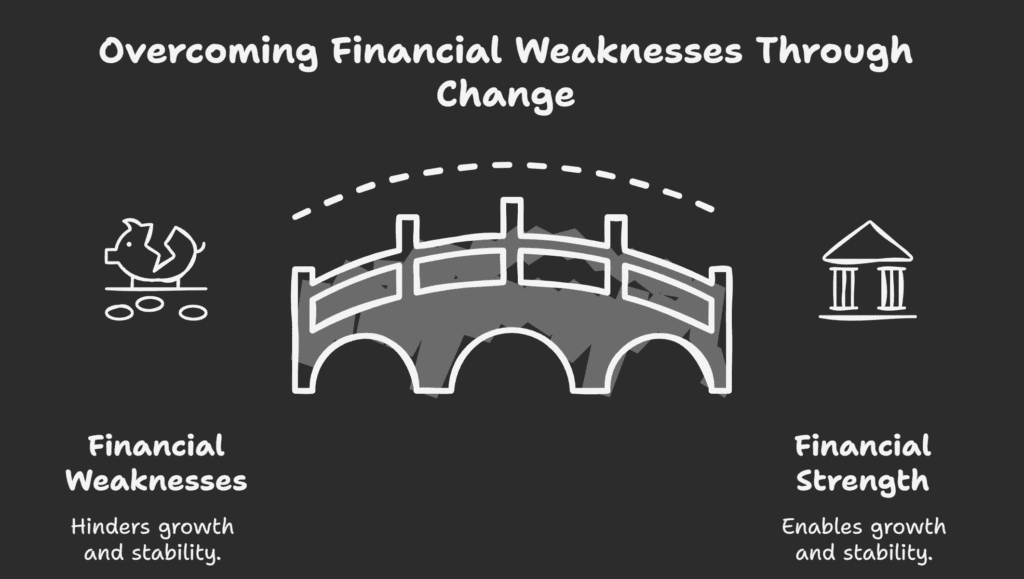
Steps to take:
Create a solid financial plan: Draw up a comprehensive plan covering day-to-day expenses, investments, insurance, and future goals, including children’s education and retirement.
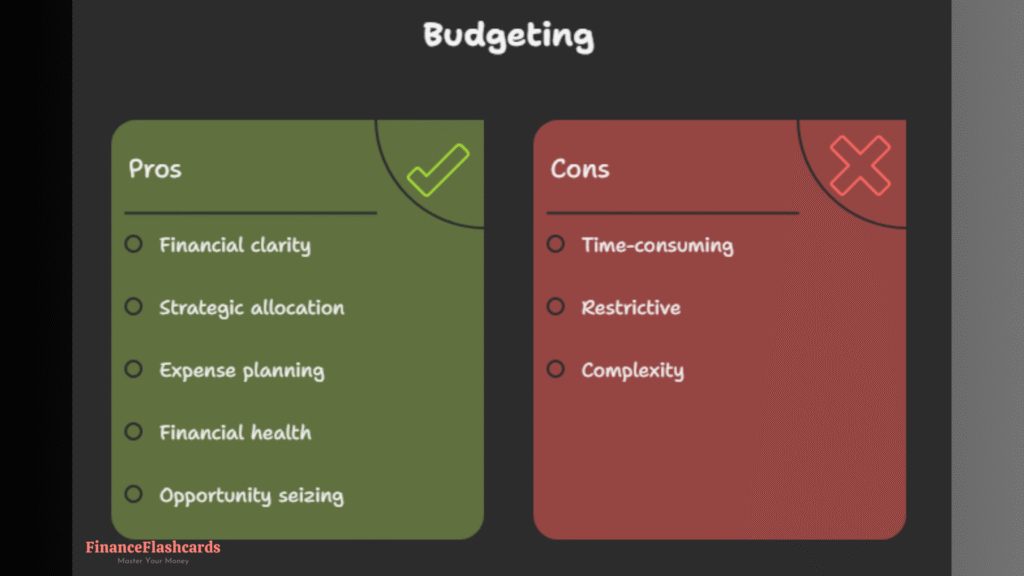
Budget rigorously: Start tracking your expenses and categorize every spend to identify avoidable costs.
Prioritize building an emergency fund: That buffer is crucial before ramping up investments.
Start small but start now: Even modest monthly SIPs can compound impressively over time.
Example:
Pooja from Pune scored 53 last year and started budgeting diligently. She cut down on frequent online shopping and started a ₹2000 monthly SIP for her daughter’s education. Over one year, her score improved significantly.
For the Cashflow Learners (Score 40 to 49) and Financial Rookies (Below 40)
It’s tough to say this, but you are currently facing financial challenges. The good news – you recognize the need for change and are motivated to improve.
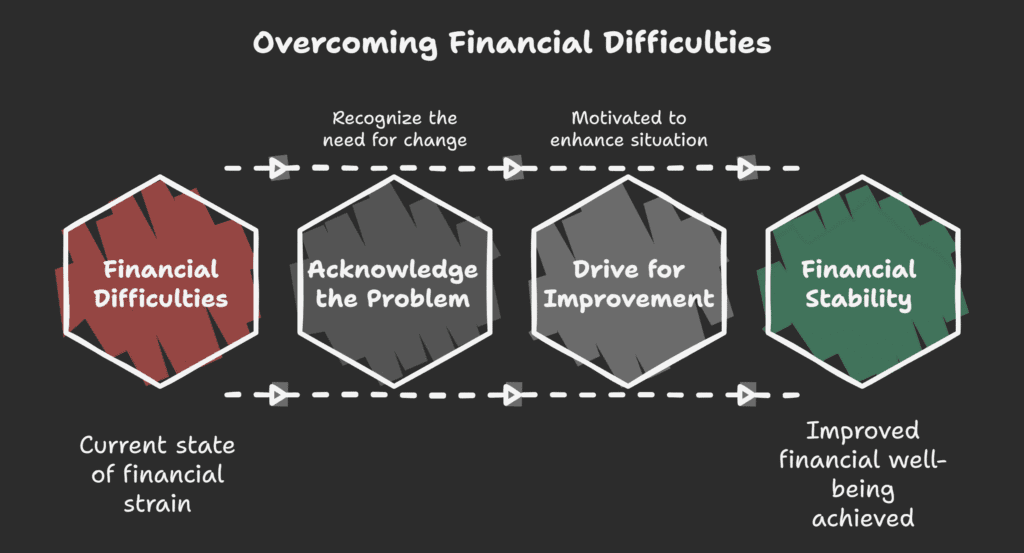
The way forward:
Focus on motivation and discipline: These two pillars can transform your finances. Recognizing the problem is your first big step.
Clear high-interest debt: EMIs and credit card dues are your biggest obstacles – pay them off aggressively.
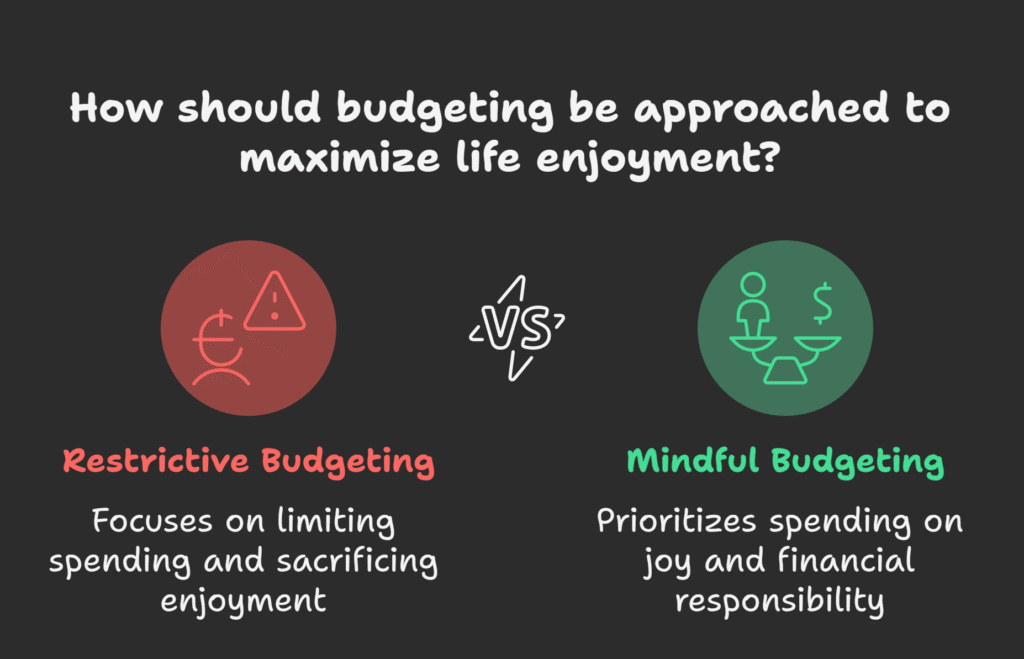
Adopt budgeting: Track every expense, set limits, and stick to them religiously.
Begin small with investments: Once debts are under control, open a SIP with a small amount and build consistently.
Learn continuously: Use resources like blogs, videos, and financial experts to build your knowledge base gradually.
Example:
Ravi from Kolkata started with a low score of 38. After aggressively repaying debts and adopting a strict budget, he began a SIP and moved into the Budget Keeper category within a year.
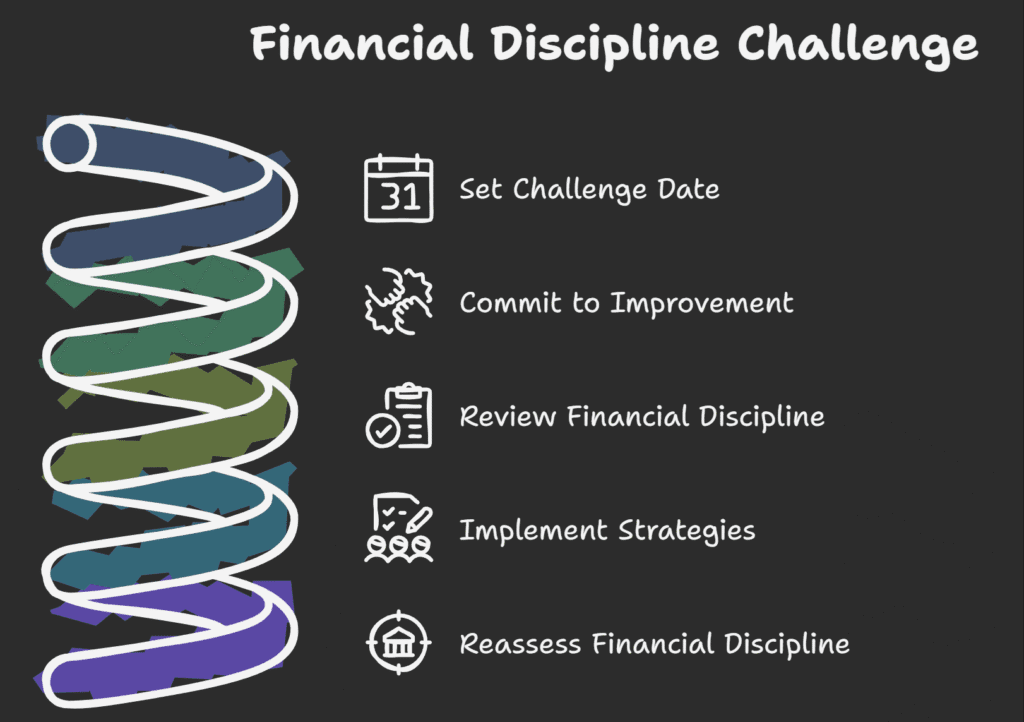
Mark Your Calendar and Commit!
Today is November 23, 2025. Exactly one year from now, revisit your financial discipline score using the method in my previous blog. Take this as a personal challenge and commitment to improving your financial habits.
If you are ready to take on this challenge, comment “YES” under this Post [Shareable Financial Discipline Score Cards Available!]. Let’s motivate each other and track progress together!
I’m Here to Help You on Your Journey
No matter which category you fall into, I’m available to answer your questions and provide guidance at any stage.
Feel free to reach out to me on Instagram [INVESThOuR], and let’s grow together toward financial freedom!
By following these category-specific actions, you can transform your financial situation step-by-step, with calm confidence and clarity. Remember, financial discipline is a journey, not a destination – and each small effort counts.