
The U.S. economic outlook for 2026 is shaped by evolving interest rate policy, rising inflation, and resilient GDP growth, amid concerns about unemployment. In this piece, we will examine the current state of the US economy and the recent Federal policy easing decision, along with the latest trends suggested by the data released, including inflation and labour market numbers that inform the Fed’s decision-making.
What do we know so far?
The Federal Open Market Committee (FOMC) led by Jerome Powell announced a 25 bps (basis points) interest rate cut on December 10, bringing the federal interest rates down to 3.50%-3.75%, the lowest since 2022. This marked the third consecutive easing for the year 2025, which saw the interest rates lowered by 0.75 percentage points in total, in a move towards neutral interest rates.
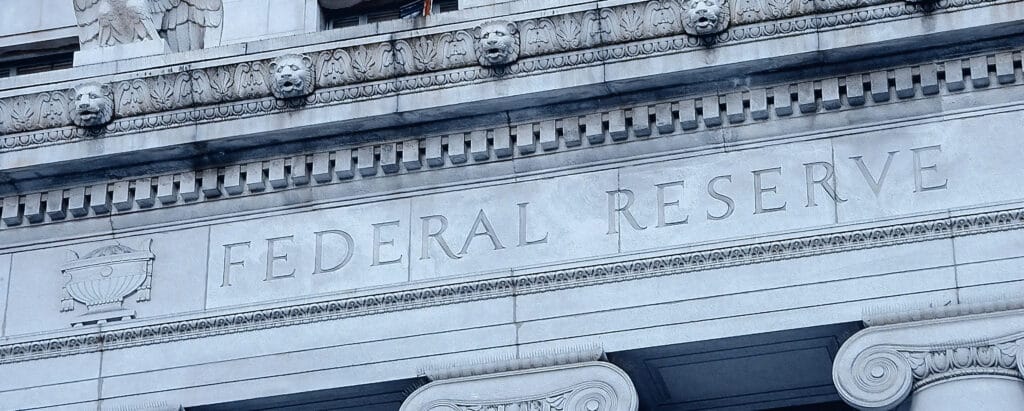
The policy decision also aligns with the Fed’s mandate of stable prices and maximum employment. Even as Chair Powell indicated conditions in the labour market were gradually cooling, concerns persist over slow hiring numbers. The unemployment rate rose to 4.6% in November, the highest since 2021, amidst mass deportations and stricter immigration policies, leading to a smaller number of people competing for a depleting number of jobs, raising stagflation concerns earlier in 2025.
Key Factors shaping Economic Outlook for 2026
Meanwhile, the U.S. economy continues to grow robustly with a robust 4.3% growth reported in Q3. This is the strongest in two years and well above the forecasted numbers, as per the latest data released by the Commerce Department. But this GDP growth is expected to slow down for the fourth quarter, according to economists, partly due to the 43-day Federal Government shutdown likely weighing on economic activity. This was also responsible for the delay in the release of key government data, which is crucial in shaping the policy decisions of the central bank.
Inflation and Political Headwinds
The inflation ticked higher above the Fed’s long term target of 2% as highlighted by the Personal Consumption Expenditures (PCE) index, which rose to 2.8% in the third quarter against 2.1% between April and June. But it is interesting to note that the domestic prices remain stable despite the aggressive trade policies unveiled by President Donald Trump, fueling inflationary fears amongst the domestic consumers. And despite mounting political pressure from the President earlier in 2025, who threatened to fire Powell from his position over higher rates, the Fed policy decision seems bereft of any political interference and is indicative of the current state of the US economy on the whole.
The Fed’s future path and Impact on Markets
Despite the central bank’s current stance on policy decision, the Fed dot plot indicates just one rate cut priced in for CY26, likely in the second quarter. Yet the policy path for the upcoming FOMC meeting in January remains dependent on the incoming job market and inflation data. There remains some disagreement amongst policymakers, with the policy easing decision backed by 9 out of 12 members, Powell said at the press briefing following the announcement. There could be another interest rate cut on the cards at the upcoming committee meeting in case the labour market numbers remain weak, provided the inflation remains contained.

The US stock markets, meanwhile, continue to soar near record levels and as per an outlook piece from S&P Global Ratings, the massive AI investments in infrastructure are expected to buoy the economy further, which remains prone to political uncertainty under Trump.
While the impact of the decision was relatively muted on the Indian markets.
What lies ahead in 2026?
Overall, the U.S. economic outlook for 2026 remains a little uncertain owing to the mixed signals – growth remains stronger than anticipated, beating expectations, but the labor market is softening and remains a cause of concern. The equities are still expected to benefit from structural drivers and the sustained AI investments, keeping momentum on Wall Street intact heading into 2026, even if the Fed pauses.