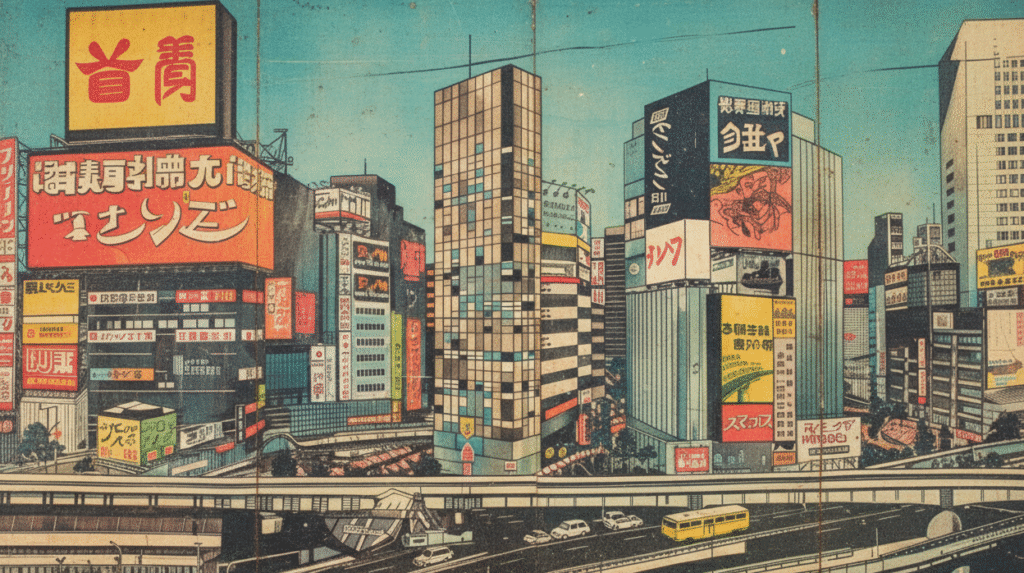
China is facing new issues with its economy(Involution), where every country wants to maintain a steady inflation and rising prices. The Chinese government is a bit angry because of the low prices, as competitors are fighting with each other to gain market share, while the demand remains below supply level.
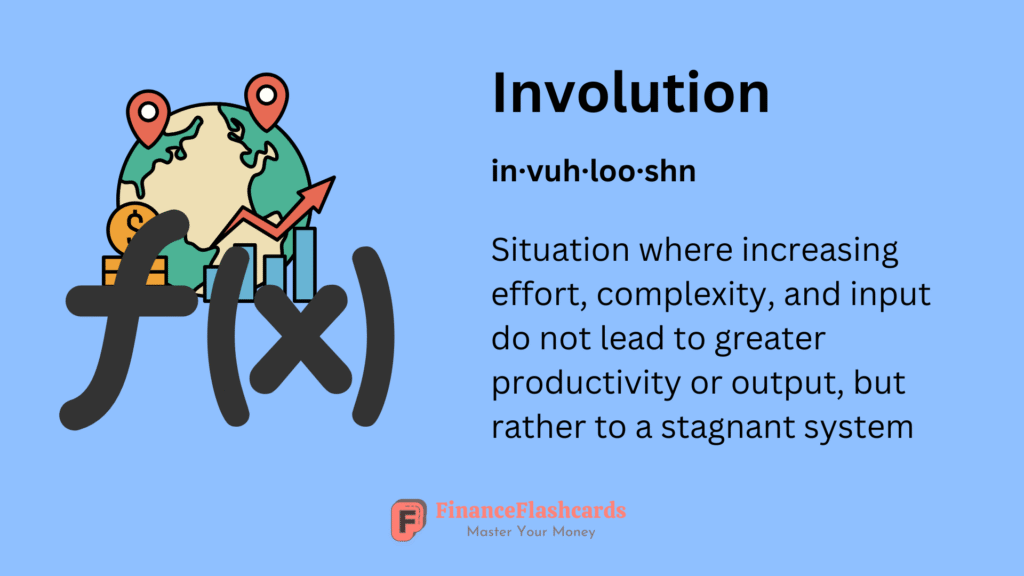
Table of Contents
What Is Involution?
Have you ever felt overwhelmed by competition in your life? In China, there’s a term that captures this feeling perfectly. Involution. In Chinese, it is called no one. This concept has gained popularity, especially on the internet, as it reflects the intense pressures faced by individuals in modern society.
Involution describes a situation where people find themselves stuck in a cycle of excessive competition. This often leads to a race to the bottom, where instead of improving, everyone is just to keep up. As a result, profits have reached a lower level, and no one’s market share is any higher.
Involution describes a situation where people find themselves stuck in a cycle of excessive competition. This often leads to a race to the bottom, where instead of improving, everyone is just to keep up. As a result, profits have reached a lower level, and no one’s market share is any higher.

Failure to Balance Supply and Demand
The intense competition, which began in 2020, promoted new economic sectors such as electric vehicles (EVs), lithium batteries, high-value manufacturing, and e-commerce, nurtured by the Chinese government, and very soon industries like solar and lithium batteries became world-leading, but that led to an oversupply of these goods and not enough buyers in the domestic market.
Low barriers to entry allow others to benefit from the policies quickly, which led to fierce competition, overproduction, and the erosion of pricing power and profitability.
Low barriers to entry allow others to benefit from the policies quickly, which led to fierce competition, overproduction, and the erosion of pricing power and profitability.
Is it déjà vu?
China has been here before. A decade ago, it also suffered another long spell of falling industrial prices. Back then, more government-oriented industries like Steel, Coal, Cement, and Electrolytic aluminium were affected, and the government intervened to limit the production, but this time it’s different majority of involved companies are private and the involvement is more widespread.
With high tariffs and push-back from other countries, making the issue more grim as China is finding difficulty in pumping these extra supplies outside their country, as a result, the best response is to increase the demand, not to curb the supply.
With high tariffs and push-back from other countries, making the issue more grim as China is finding difficulty in pumping these extra supplies outside their country, as a result, the best response is to increase the demand, not to curb the supply.

Stagflation or Deflation
With constantly falling prices, it may be possible that the economy might fall into long-term stagflation and even a case of deflation, where prices start to fall, much like the issue Japan faced for three decades.
Demand-side stimulus can pull the economy out of this situation, as measures to boost demand are needed to offset the pressures from production cuts. As the economy is stuck in the liquidity trap, monetary policy will play a big role in reviving public confidence and demand.
Demand-side stimulus can pull the economy out of this situation, as measures to boost demand are needed to offset the pressures from production cuts. As the economy is stuck in the liquidity trap, monetary policy will play a big role in reviving public confidence and demand.

The Bottom Line
China is facing a new economic challenge called “Involution”, where companies keep producing more and competing harder, but don’t get better results. Demand is weak, profits are shrinking, and industries are stuck in price wars. Instead of growing through innovation and consumption, the economy is spinning in place — working harder but not moving forward.