
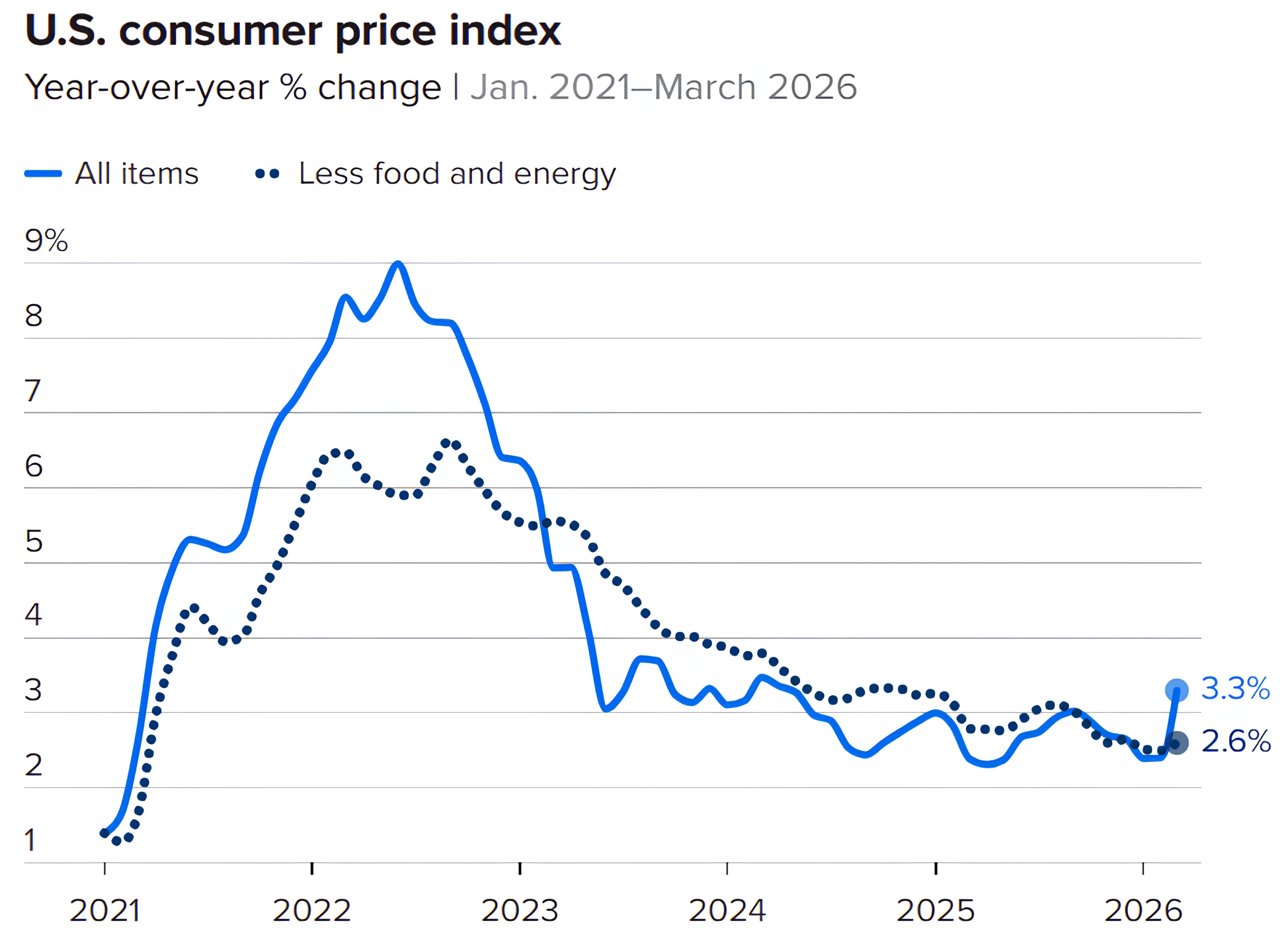
‘Inflation ticks back up to 3.3%’.
A number that feels familiar but in the current context, it carries very different implications.
After a brief gap, I am back on this platform, back to share my insights on what this number along with other recent developments mean for the U.S. Economy (read my last piece here), as it walks a tightrope four months into 2026 — between easing policy, slowing labor markets, and persistent inflation pressures. And this is going to be an insightful read, so stick around as we get underway..
A Policy Pause in a More Uncertain World
The U.S. economy finds itself at a critical crossroads. Following the recent outbreak of the US-Iran conflict, global attention has turned to Federal Reserve Chair Jerome Powell. In the first meeting since the war began, the central bank chose to stay the course, keeping interest rates steady while acknowledging a world that has become significantly more unpredictable.
Inflation surge complicates Fed’s path
Recent data provides crucial insight into this ‘wait-and-see’ approach. Inflation (CPI – Consumer Price Index) jumped to 3.3% in March 2026, the highest since May 2024. This surge is largely because conflict in the Middle East sent oil prices soaring, which translates directly into higher gasoline prices for the average consumer. Powell highlighted that this surge creates deep uncertainty; while the Fed projected “higher inflation” at its previous meeting, the sheer pace of this spike has prompted a pause on any interest rate changes until the geopolitical dust settles.
A Divided Fed Faces Competing Policy Risks
Minutes from the latest meeting suggest that officials remain divided on the future policy path, grappling with two opposing risks. There is pressure to hike rates further to prevent energy-driven inflation from spiraling out of control, alongside concerns that a prolonged war could dampen economic activity, potentially requiring rate cuts later in the year to support growth and spending .
A Resilient Yet Cooling Labor Market
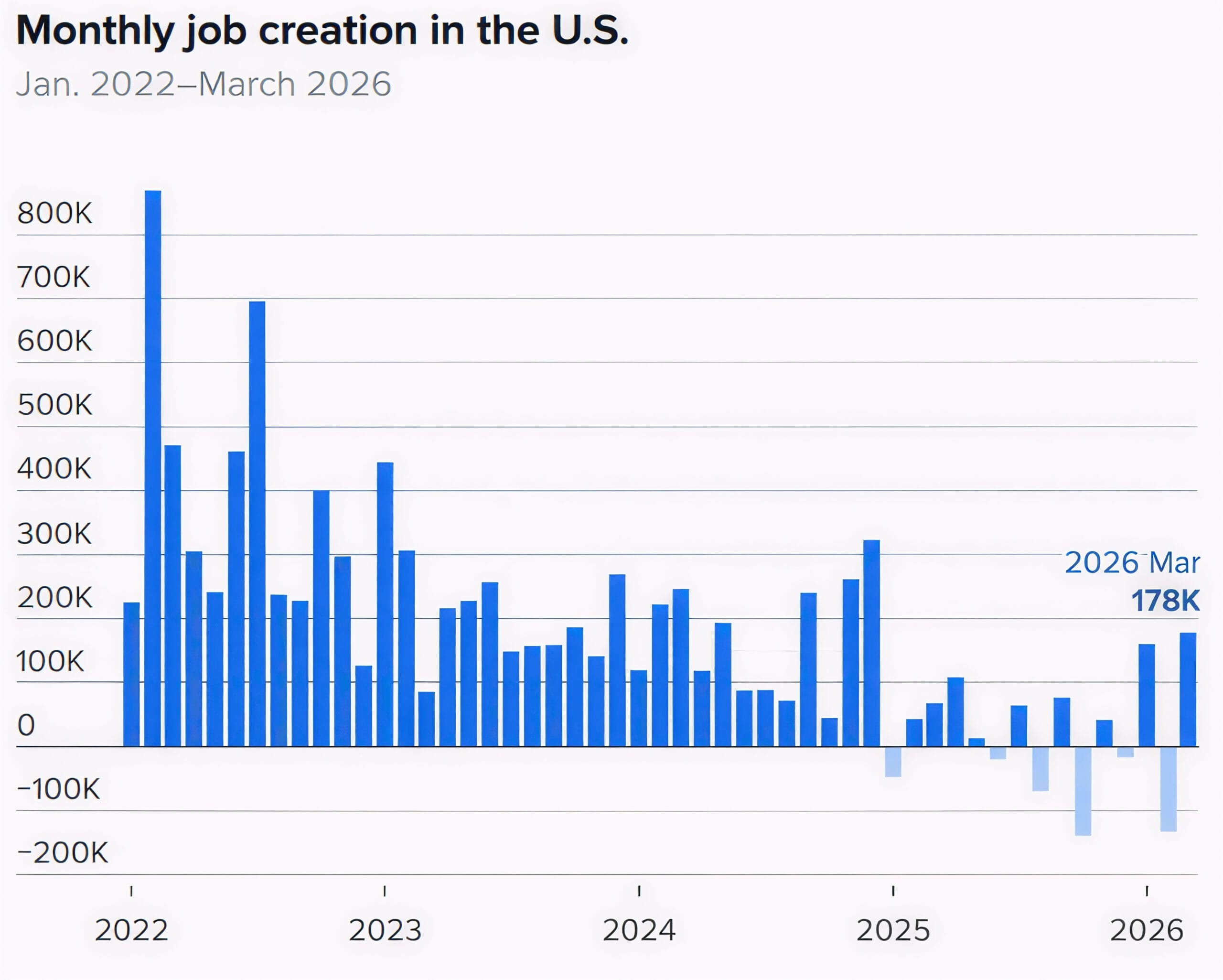
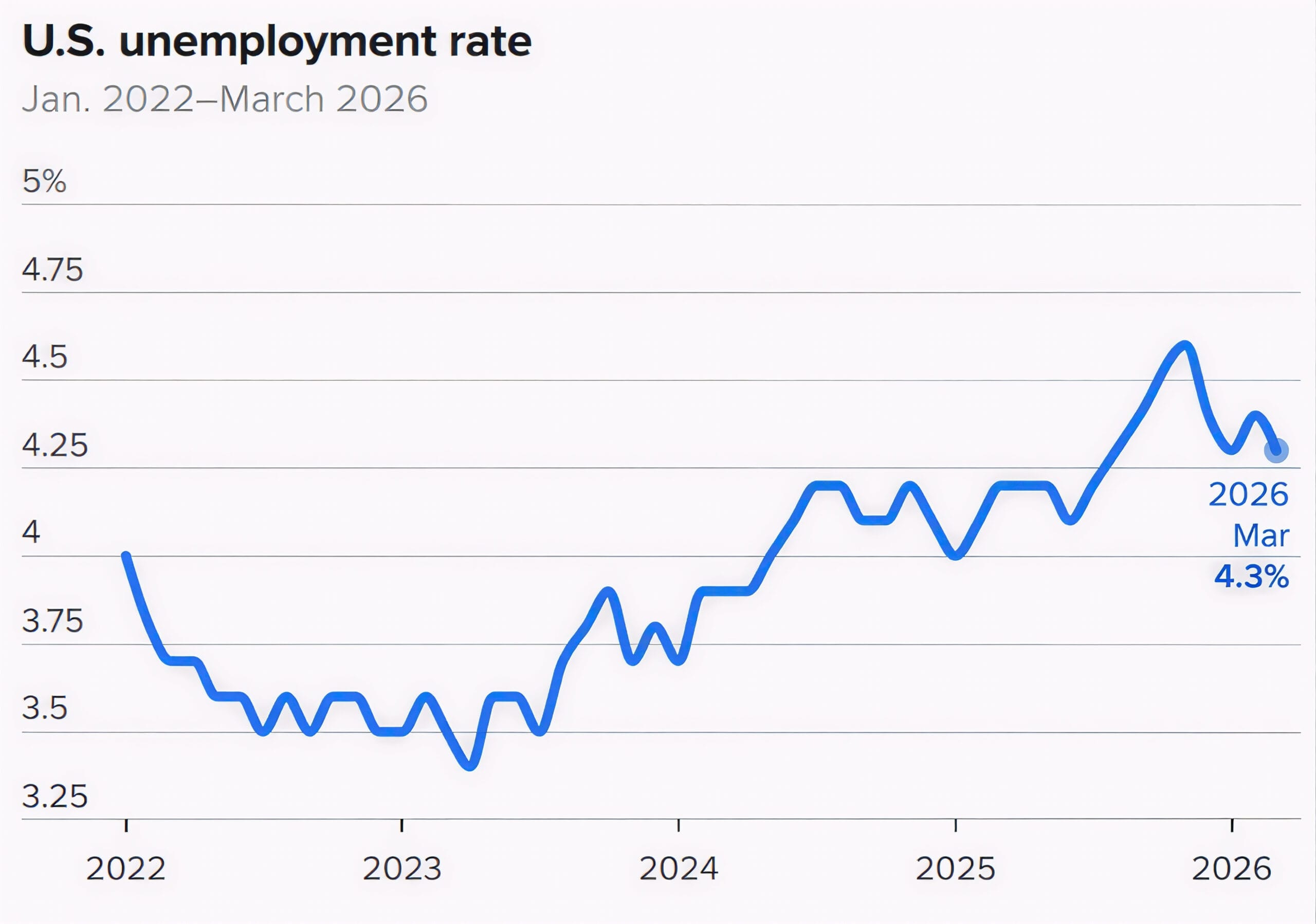
Despite rising global tensions, the American labor market remains surprisingly sturdy. Payroll data showed an addition of 178,000 jobs in March, exceeding most forecasts and indicating continued hiring momentum. However, a rise in unemployment to 4.3% points to a gradual cooling. This middle ground signaled that the economy is not overheated, providing the Fed more room to navigate the inflation crisis without immediate, drastic interventions. AI developments are beginning to reshape the labor market too – a shift policymakers are likely to monitor closely.
Politics, Energy Prices and Rising Policy Pressures
With the 2026 Midterm elections approaching in November, the economic backdrop has taken on a sharper political dimension. President Donald Trump faces mounting pressure, with approval ratings weighed down by voter concerns over elevated energy costs. This creates a strong domestic incentive for the administration to support efforts toward stabilizing oil markets, including support for the fragile two-week ceasefire announced on April 7. As a result, energy price stability is increasingly tied to broader political and economic priorities.
A Narrowing Path to a Soft Landing
The U.S. economic outlook for the remainder of the year remains closely tied to developments in the Middle East. While domestic fundamentals show resilience, the shadow of conflict means that stability is now a moving target. For now, a “soft landing” — curbing inflation without triggering a recession — remains possible, but the margin for error has narrowed significantly. Until energy prices find a new equilibrium, the Federal Reserve is likely to remain in a cautious, data-dependent stance.
That’s all from me in this special macro piece on ‘The 2026 Tightrope for the U.S. Economy’.
Do share your feedback in the comments below, and Stay curious..
Happy Reading!
PS: If you like the author’s work and contribution to this platform, and wish to discuss more related to Macroeconomics and Markets in particular, do follow and connect with me, or dm me on:
LinkedIn @AnudityaGupttaa